Roofing Felt Through the Ages – From Tar to Modern Bitumen Solutions

Roofing Felt Through the Ages – From Tar to Modern Bitumen Solutions
For more than a century, roofing felt has been a familiar sight across Britain’s rooftops. From the early tar-coated papers used on garden sheds and garages to today’s advanced bitumen membranes on contemporary buildings, the material has evolved dramatically. Once seen as a cheap and temporary fix, roofing felt is now a durable, flexible, and design-friendly solution suited to a wide range of applications. Here, we take a closer look at how roofing felt has developed – and why it remains a trusted choice in British construction.
The Early Years – Tar and Simple Materials
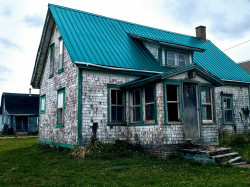
The first forms of roofing felt appeared in the UK during the late 19th century. These early products were made from paper or hessian soaked in coal tar or wood tar to make them water-resistant. They were inexpensive and easy to install, making them ideal for small outbuildings, farm structures, and temporary shelters.
However, the limitations were clear. Tar became brittle over time, especially under the influence of sunlight and frost, leading to cracks and leaks. Maintenance was frequent, and the lifespan was short. Despite these drawbacks, tarred felt laid the foundation for the waterproof membranes that would follow.
The Shift to Bitumen – A Technological Leap
By the mid-20th century, the roofing industry began replacing tar with bitumen, a by-product of petroleum refining. Bitumen proved far more stable and flexible than tar, performing well in both hot and cold conditions. This flexibility allowed roofs to expand and contract with temperature changes without cracking.
At the same time, the reinforcement layers improved. Instead of simple paper, manufacturers began using glass fibre and later polyester mats, which provided greater strength and dimensional stability. This combination of bitumen and modern reinforcement transformed roofing felt from a basic covering into a serious roofing system suitable for homes, schools, and commercial buildings alike.
Modern Roofing Felt – Performance and Design Freedom
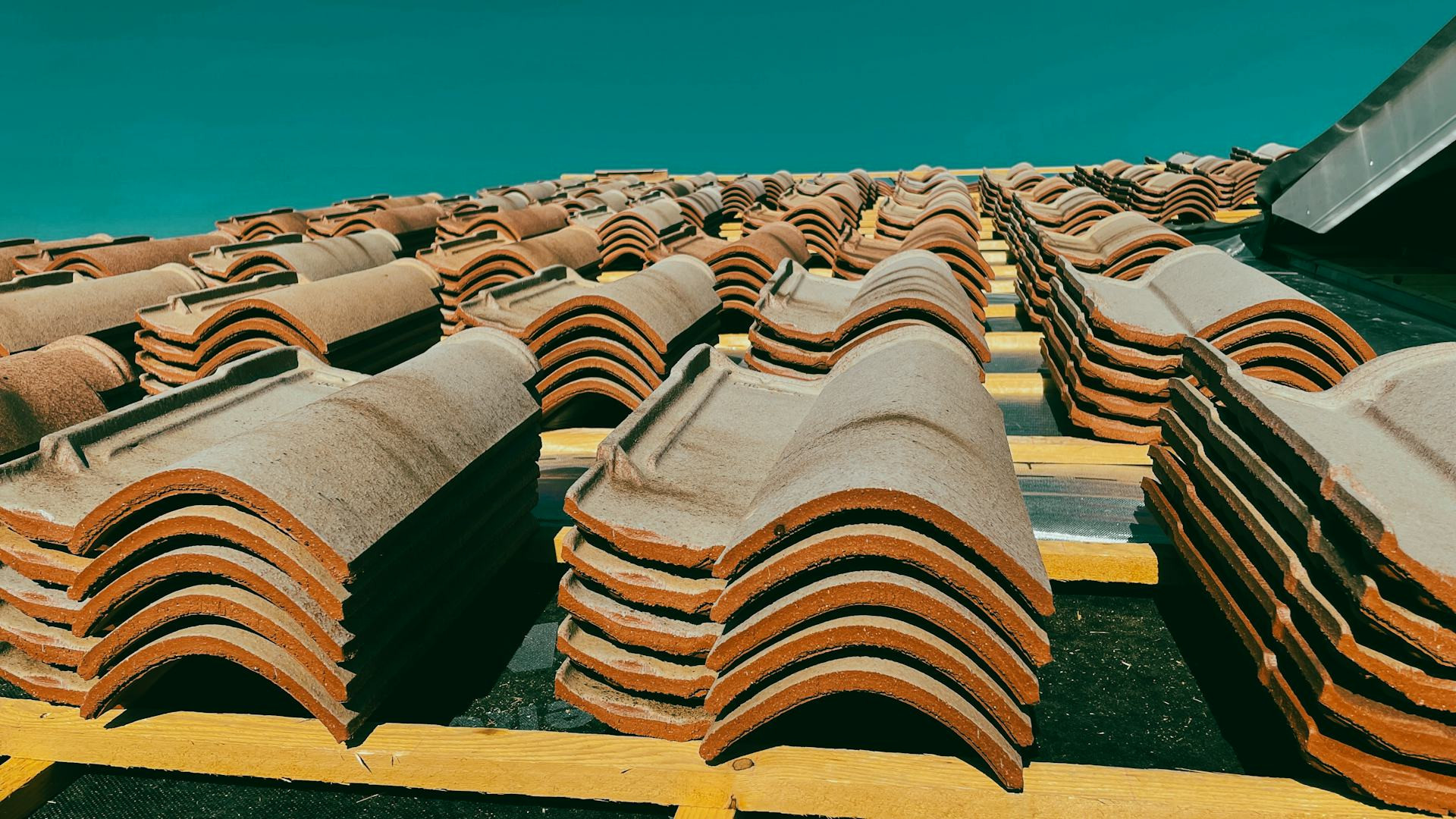
Today’s roofing felt is a high-performance material. Most systems consist of two layers – a base layer and a cap sheet – which are either torch-applied, cold-adhered, or self-adhesive. The result is a seamless, watertight, and long-lasting roof that can easily last 30 years or more when properly installed.
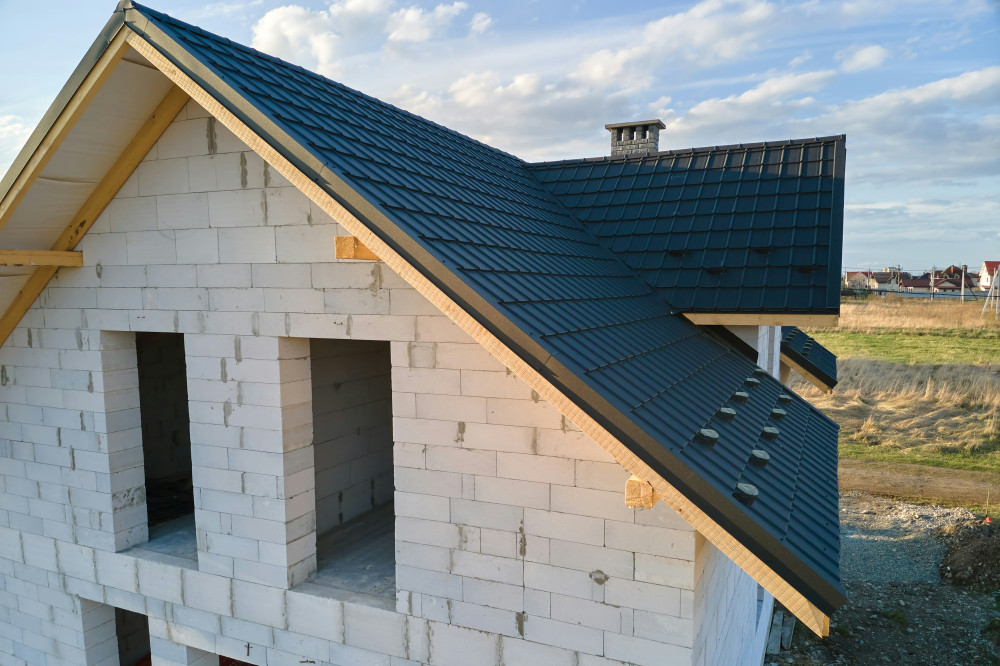
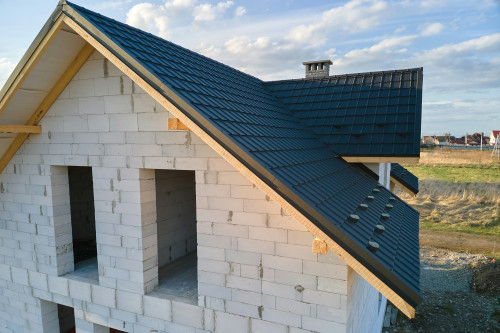
Modern bitumen membranes are not limited to flat roofs. Architects and builders increasingly use them on pitched and curved roofs, as well as for green roof systems. Their flexibility allows for creative designs, from minimalist extensions to complex architectural forms. In addition, coloured mineral finishes and sleek detailing make roofing felt an attractive option for visible roof surfaces.
Sustainability and the Environment
As sustainability becomes a central concern in UK construction, roofing felt manufacturers are adapting. Many now incorporate recycled materials into their products and focus on reducing energy use during production. Bitumen membranes can also play a role in sustainable building design, particularly as part of green roof systems that improve insulation, manage rainwater, and support biodiversity.
Furthermore, the long lifespan and low maintenance requirements of modern roofing felt contribute to its environmental credentials. A durable roof means fewer replacements and less waste over time.
Læs også:
Maintenance and Longevity
Although modern roofing felt requires little upkeep, regular inspection is still important. Clearing debris, checking joints, and ensuring proper drainage can prevent small issues from developing into costly repairs. With professional installation and periodic maintenance, a felt roof can last for decades – often exceeding its expected service life.
From Humble Beginnings to a Modern Building Material
The story of roofing felt is one of continuous improvement. What began as a simple tarred paper has evolved into a sophisticated, multi-layered system that combines durability, flexibility, and design potential. From the sheds of Victorian Britain to the sustainable buildings of today, roofing felt has proven its worth time and again – and it will continue to play a vital role in British roofing for many years to come.
Læs også: