Can you maintain your fibre cement roof yourself? Here’s the answer

Can you maintain your fibre cement roof yourself? Here’s the answer
Fibre cement roofs are a familiar sight on many British homes, garages and outbuildings. They’re durable, weather-resistant and have a timeless look that suits both modern and traditional architecture. But even though fibre cement is tough, it still needs some care to stay in good condition. The question is: can you look after it yourself, or should you call in a professional? Here’s the answer – and a guide to what you can, may and should do.
What exactly is a fibre cement roof?
Fibre cement is a composite material made from cement reinforced with fibres, which makes it strong, lightweight and resistant to rot and fire. Older fibre cement sheets – especially those installed before the mid-1980s – may contain asbestos, while modern ones are asbestos-free. This distinction is crucial, as it determines what kind of maintenance you can safely carry out yourself.
A well-installed fibre cement roof can last 30–50 years, depending on the quality of the materials, the local climate and how well it’s maintained. Over time, however, moss, algae and small cracks can appear, and these need attention.
Læs også:
Are you allowed to maintain it yourself?
The short answer is: Yes – but with important exceptions.
-
If your roof contains asbestos (common in sheets fitted before the mid-1980s), you must not clean, sand, drill or cut it yourself. Asbestos fibres are hazardous when disturbed, and any work on such materials must be carried out by licensed professionals with the proper safety equipment. You can, however, safely clear leaves from gutters and keep the surrounding area tidy.
-
If your roof is asbestos-free, you can handle basic maintenance tasks yourself – such as removing debris, cleaning gutters and checking for visible damage. But you must do it carefully to avoid damaging the surface or compromising the roof’s protective coating.
How to check if your roof contains asbestos
If you’re unsure whether your roof contains asbestos, look for markings on the underside of the sheets. Newer, asbestos-free products are often labelled “NT” (new type) or “AF” (asbestos-free). If you can’t find any markings, you can have a small sample tested by a UKAS-accredited laboratory or ask a roofing specialist to inspect it. It’s a small cost that can prevent serious health and legal issues later.
Routine maintenance – what you can do yourself
If your roof is confirmed asbestos-free, there are several simple maintenance tasks you can safely carry out:
- Clean gutters and downpipes at least once a year to ensure proper drainage.
- Remove leaves, branches and debris from the roof surface, especially after storms.
- Watch for moss and algae. A light green film is harmless, but thick growth can trap moisture and shorten the roof’s lifespan.
- Inspect for cracks, loose fixings or damaged edges. Small issues can quickly worsen if ignored.
When working on or near the roof, always use proper safety equipment and avoid walking directly on the sheets – they can crack under weight, particularly if they’re older.
Cleaning and recoating – when to call in the experts
While you can handle light maintenance yourself, larger jobs should be left to professionals:
- Roof cleaning: Specialists use low-pressure washing and suitable cleaning agents to remove moss and algae without damaging the surface. High-pressure washing can strip away the protective coating and cause leaks.
- Recoating or painting: A professional roof coating can extend the life of your roof and improve its appearance, but it requires the right materials and technique to ensure durability.
- Repairs: Cracked or porous sheets should be replaced by a qualified roofer, especially if the roof is old or contains asbestos.
Signs that your roof needs professional attention
Keep an eye out for these warning signs:
- Persistent dark patches or discolouration that don’t wash off
- Cracks, flaking or delamination of the sheets
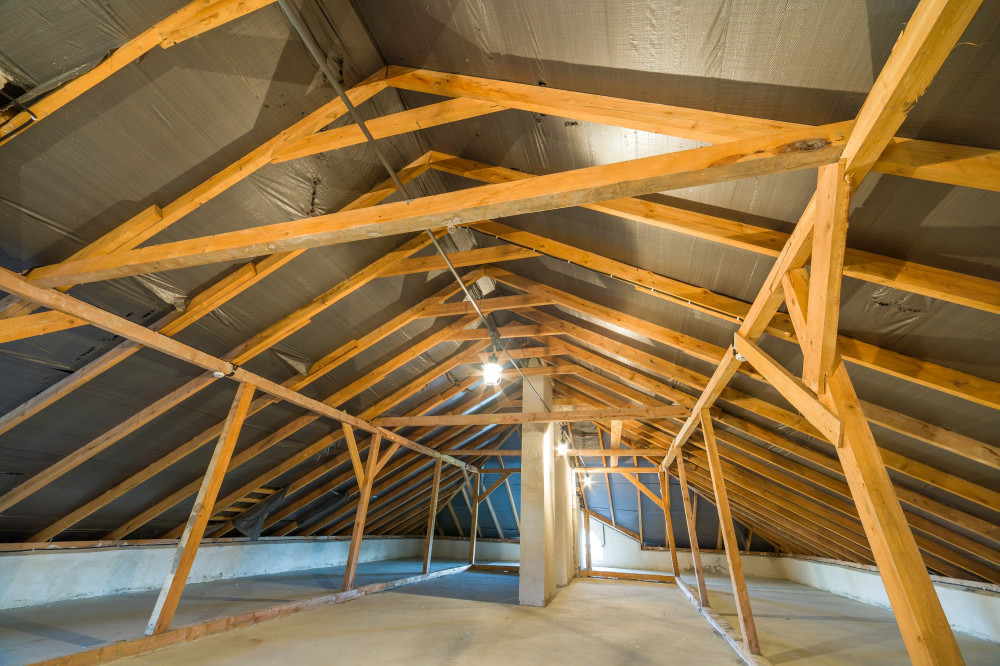
- Damp spots or leaks inside the loft
- Moss growing in the joints between sheets
The sooner you have a professional inspect the roof, the easier and cheaper it usually is to fix any problems.
How to extend your roof’s lifespan
A fibre cement roof can last for decades if you look after it properly. Here are some good habits to adopt:
- Carry out an annual roof inspection, ideally in spring after winter weather.
- Ensure good loft ventilation to prevent condensation and moisture build-up.
- Trim back overhanging trees to reduce shade and moss growth.
- Arrange a professional inspection every 5–10 years to catch early signs of wear.
Conclusion: You can do a lot yourself – but not everything
You can certainly take care of the light maintenance on an asbestos-free fibre cement roof. Keeping it clean, dry and free from damage will go a long way towards preserving it. But if your roof contains asbestos, or if you need deep cleaning, recoating or repairs, always call in a professional.
By knowing where to draw the line between DIY and expert work, you can save money, stay safe and ensure your roof lasts for many years to come.
Læs også: