Minimalist lighting creates calm and balance in the home


Minimalist lighting creates calm and balance in the home
In a world filled with constant noise, screens and visual clutter, many people are turning towards simplicity in their living spaces. Minimalist lighting has become a key part of this movement – not just as a design choice, but as a way to create calm, balance and wellbeing at home. The way a room is lit affects both mood and energy, and with a thoughtful approach, lighting can transform your home into a peaceful retreat.
Light as a mood-setter
Lighting is about much more than visibility. It shapes atmosphere, rhythm and emotion. In a minimalist home, light plays a particularly important role because it highlights the purity of form and the natural beauty of materials. Instead of filling a room with multiple lamps and decorative fittings, the focus is on a few carefully chosen pieces that support both function and feeling.
A warm, soft glow in the living room can create a sense of comfort and relaxation, while a brighter, more neutral light in the kitchen or study encourages focus and clarity. By considering how light is used in each space, you can create a natural balance between activity and rest.
Fewer lights – greater impact
Minimalist lighting isn’t about having as little light as possible, but about using it with intention. Rather than scattering small lamps around, choose a few effective fixtures that provide both practical illumination and visual harmony.
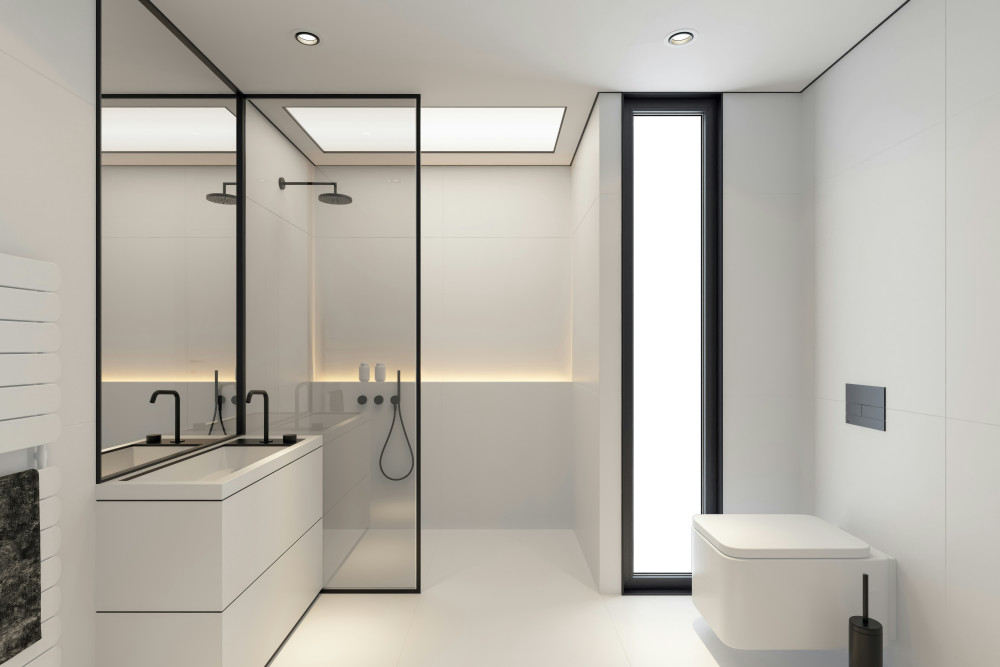
- Recessed spotlights offer a clean, uncluttered look with no visible cables or fittings.
- Simple pendant lights can draw attention to a dining table or kitchen island.
- Wall lights and uplighters can highlight textures and add depth to a room.
By reducing the number of light sources and choosing timeless designs, you create a more cohesive and tranquil atmosphere.
Natural light as the foundation
The most soothing light comes from nature. When planning your lighting, start with daylight. Large windows, sheer curtains and reflective surfaces help maximise natural light throughout the day. In the UK, where daylight hours vary greatly with the seasons, it’s especially important to make the most of every ray.
In the evening, complement natural light with artificial lighting that mimics its warmth. Adjustable LED bulbs allow you to shift from cool, energising tones during the day to soft, golden hues at night – helping your body and mind unwind.
Materials and colours that enhance light
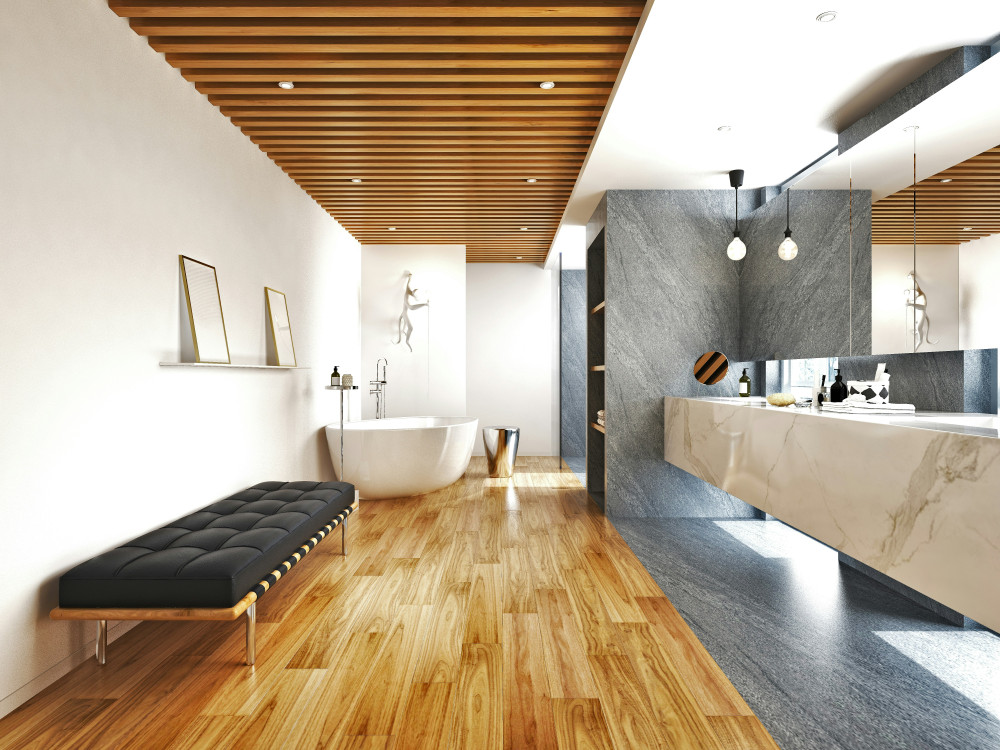
In minimalist interiors, materials and colours work hand in hand with lighting. Pale walls, matte finishes and natural materials such as wood, linen and stone reflect light gently and create a calm atmosphere. Avoid overly glossy surfaces, which can cause glare and visual tension.
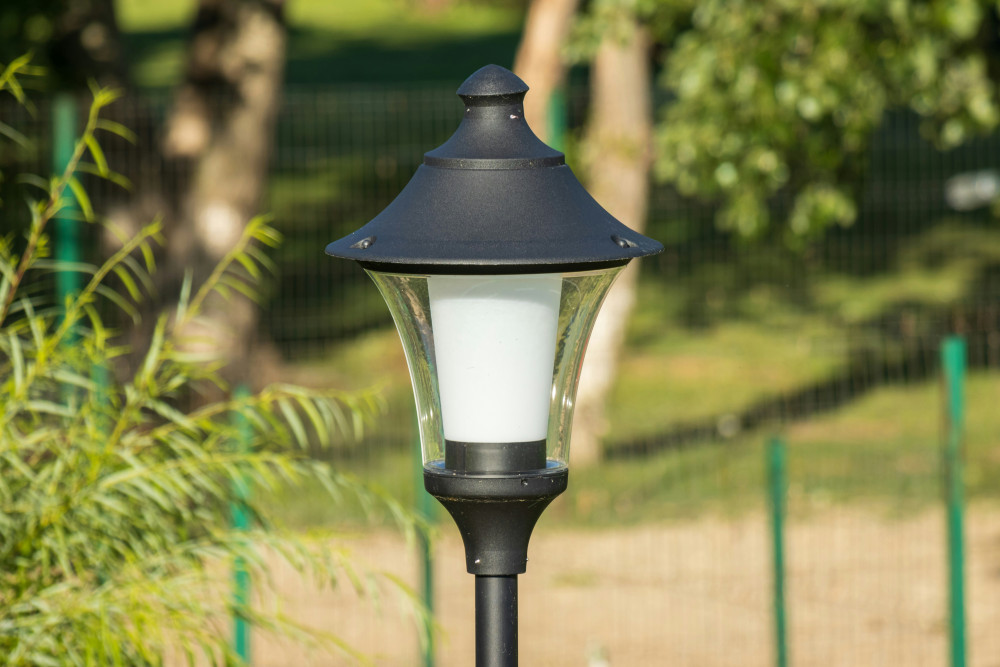
A lamp made from brushed metal or frosted glass can diffuse light beautifully, adding softness without distraction. The goal is to find harmony between function and aesthetics – letting light support the simplicity of the space.
Læs også:




Energy and sustainability in focus
Minimalism is also about mindful consumption. Choosing energy-efficient LED lighting and durable materials reduces both energy use and environmental impact. Many modern British lighting brands now combine elegant design with sustainability, offering long-lasting products that don’t compromise on style.
Consider installing dimmers or motion sensors so that light is only used when needed. This not only saves energy but also creates a more natural rhythm in your home.
Create your own light harmony
Minimalist lighting isn’t a strict formula – it’s an approach. It’s about finding the light that suits your lifestyle and your home, and about creating spaces where you can breathe and feel at ease. When light is simple, natural and thoughtfully placed, it becomes a quiet backdrop for everyday life – one that brings calm, balance and beauty to your home.
Læs også: