Heat Pumps and Humidity – How to Achieve a Healthy and Energy-Efficient Indoor Climate

Heat Pumps and Humidity – How to Achieve a Healthy and Energy-Efficient Indoor Climate
A comfortable home is about more than just temperature – humidity plays an equally important role. When you install a heat pump, you gain an efficient heating system, but you also change how air moves and how moisture behaves indoors. Too little or too much humidity can affect comfort, health, and even the condition of your home. Here’s how to use your heat pump to maintain a healthy and energy-efficient indoor climate all year round.
Why Humidity Matters
Ideally, indoor humidity should stay between 40 and 60 per cent. Below 40 per cent, the air becomes dry, which can lead to dry skin, irritated eyes, and static electricity. Above 60 per cent, the risk of mould, dust mites, and musty odours increases.
Humidity also affects how warm or cool a room feels. Dry air can make a space feel colder than it is, while damp air can feel heavy and uncomfortable. Achieving a good indoor climate is therefore not just about adjusting the thermostat – it’s about finding the right balance between heat and moisture.
The Role of the Heat Pump
A heat pump transfers heat energy from one place to another – usually from the outside air or the ground into your home. In doing so, it circulates air and can influence humidity levels.
- Air-to-air heat pumps act like advanced fans that heat and dehumidify the air. This can be beneficial in damp environments, but you’ll need to ensure the air doesn’t become too dry in winter.
- Air-to-water heat pumps have a less direct effect on humidity but can still influence air circulation, especially when combined with underfloor heating.
- Ground-source heat pumps provide steady warmth and tend to have minimal impact on humidity, though good ventilation is still essential to prevent moisture build-up.
How to Prevent Dry Air
During the colder months, when your heat pump is running frequently, indoor air can become dry – particularly in well-insulated homes. Here are some simple ways to maintain a healthy moisture balance:
- Ventilate daily – open windows wide for 5–10 minutes two or three times a day to refresh the air without cooling the walls.
- Add houseplants – plants such as peace lilies, ferns, and rubber plants release moisture and improve air quality.
- Dry clothes in a ventilated space – this adds moisture to the air, but avoid doing so in rooms prone to mould.
- Consider a humidifier – especially in living rooms and bedrooms where you spend the most time.
Keep an eye on humidity levels with a hygrometer – a simple, inexpensive device that helps you monitor indoor conditions.
Læs også:



How to Prevent Excess Humidity
Too much moisture can also be a problem, particularly in summer or in poorly ventilated areas. In these cases, your heat pump can actually help by circulating and dehumidifying the air.
- Use the dehumidifying mode on your heat pump if it has one – it’s effective during humid periods.
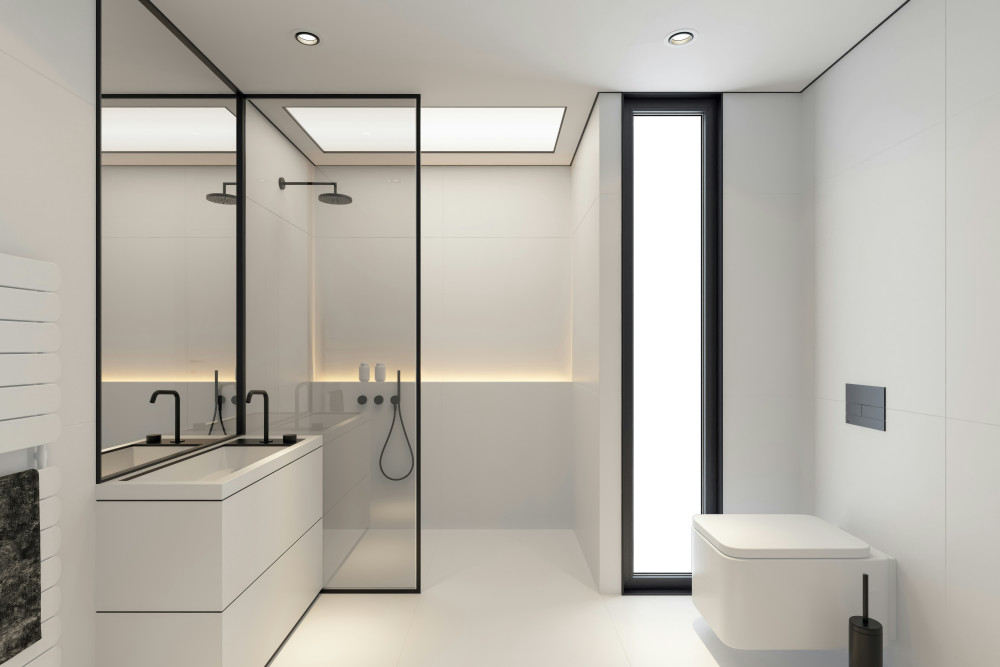
- Ensure good ventilation in bathrooms and kitchens, where moisture is most likely to build up.
- Maintain a steady temperature – large fluctuations can cause condensation on cold surfaces.
- Check windows and walls for condensation or dark patches, which may indicate high humidity.
Combine Your Heat Pump with Proper Ventilation
Even the most efficient heat pump can’t create a healthy indoor climate on its own – it needs to work alongside good ventilation. A mechanical ventilation system with heat recovery can be a worthwhile investment, as it replaces stale air while retaining warmth, reducing energy loss.
If you don’t have mechanical ventilation, you can still improve air quality by airing out regularly and keeping internal doors open to allow air to circulate freely.
A Healthy Indoor Climate Is an Energy-Efficient One
When humidity is balanced, the air feels more comfortable, and you can often lower the temperature slightly without losing warmth. This means reduced energy consumption and less strain on your heat pump.
A healthy indoor climate isn’t just about comfort – it’s also a key part of an energy-efficient home. With the right use of your heat pump, regular ventilation, and attention to humidity, you can create a living environment that’s comfortable, healthy, and economical all year round.
Læs også: