Extend Your Plinth’s Lifespan with Simple Maintenance Steps

Extend Your Plinth’s Lifespan with Simple Maintenance Steps
The plinth is the visible base of your home – the part that shields the building from moisture, frost, and everyday wear caused by the British weather. Yet, it’s often overlooked when it comes to regular maintenance. A well‑kept plinth is essential for preventing damp, flaking, and even structural damage to the brickwork. Fortunately, with a few simple steps, you can significantly extend its lifespan.
Understand the Plinth’s Role and Common Issues
The plinth acts as a transition between the foundation and the walls, directing rainwater away and protecting the structure from splashes and frost. Over time, it faces constant exposure to moisture, salt, and mechanical wear from lawn equipment or winter grit.
Typical warning signs include:
- Cracks or flaking render
- Dark damp patches or algae growth
- Peeling paint or discolouration
- Crumbling or powdery surfaces
Spotting these early makes repairs easier and prevents more serious damage later on.
Clean and Inspect Regularly
A thorough clean and inspection once or twice a year can make a big difference. Start by brushing away dirt, moss, and algae with a soft brush and mild detergent. Avoid using a pressure washer, as it can force water into the surface and cause further deterioration.
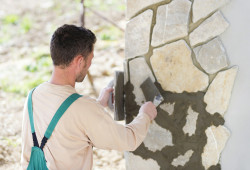
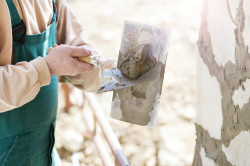
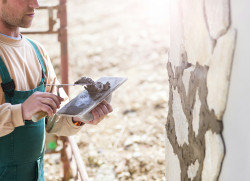
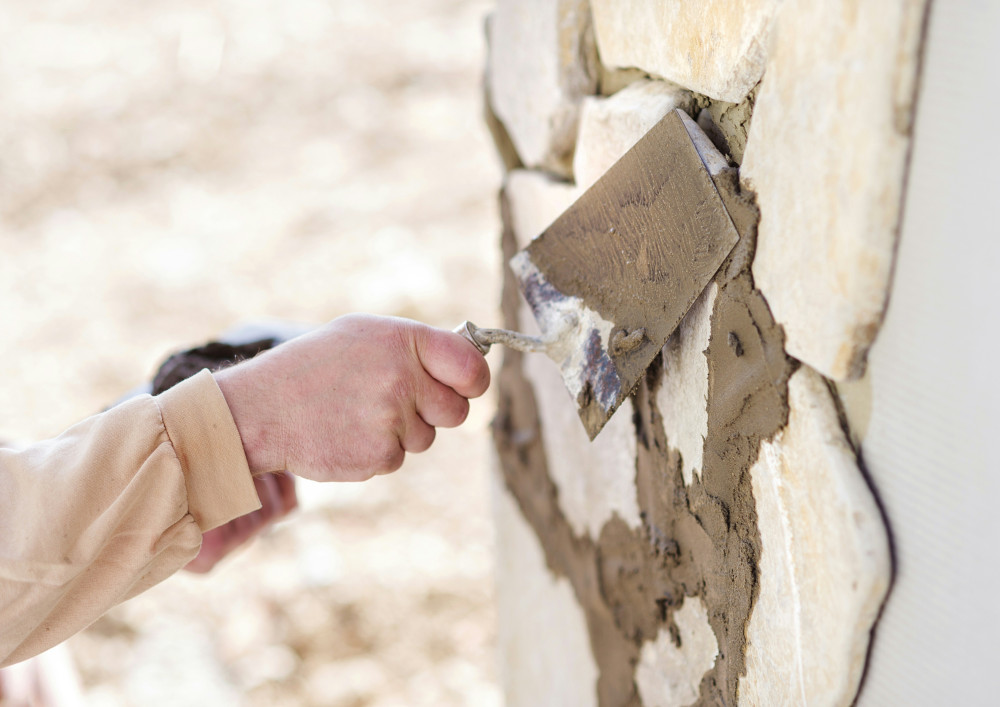
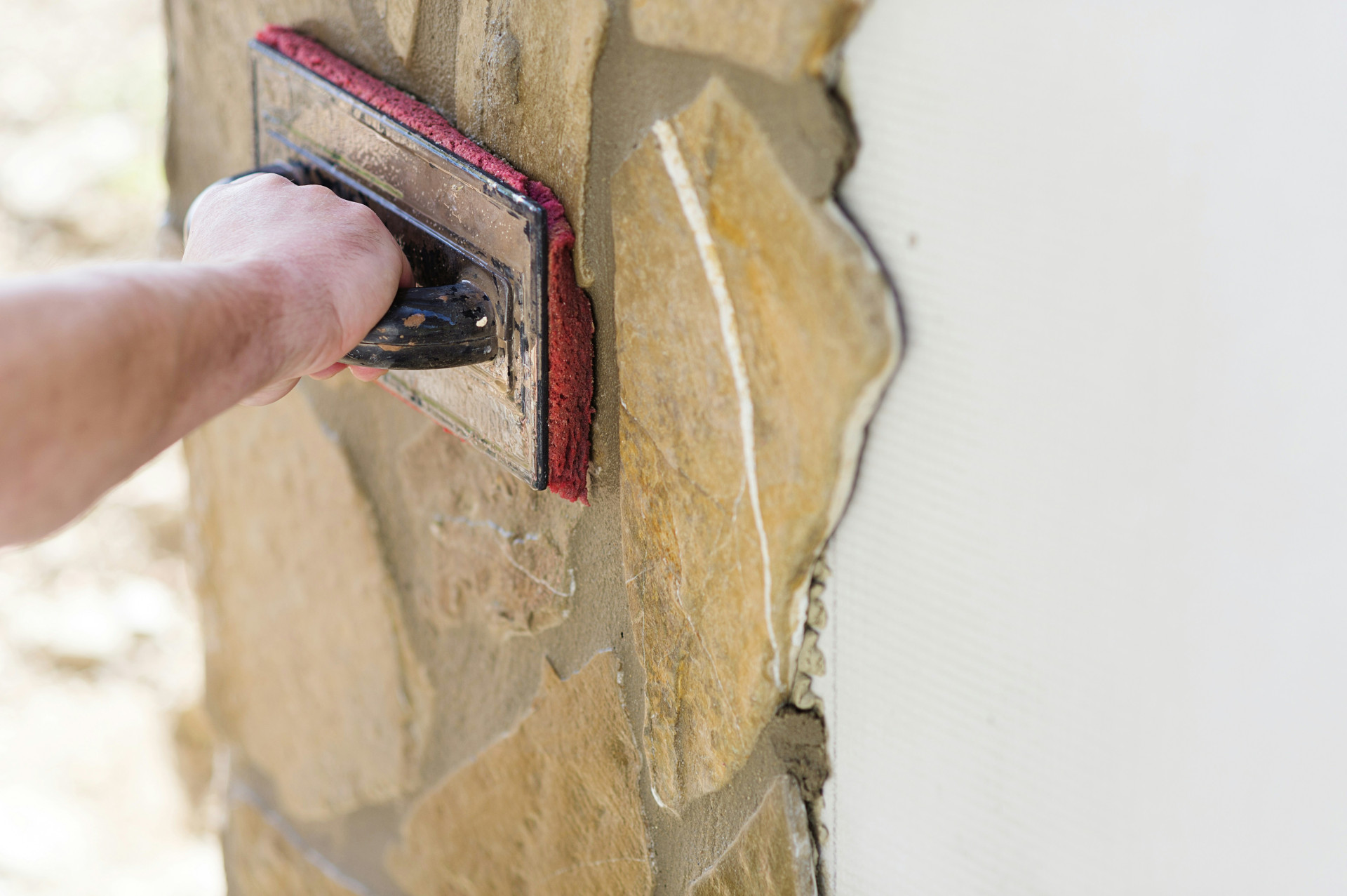
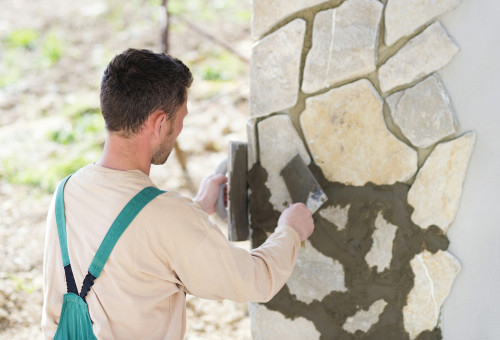
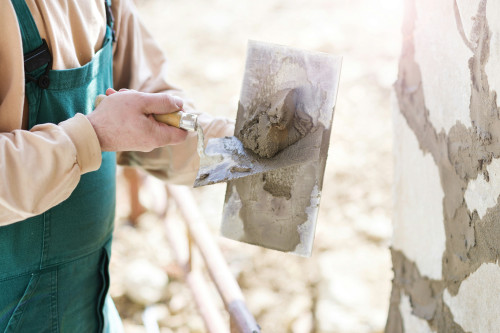
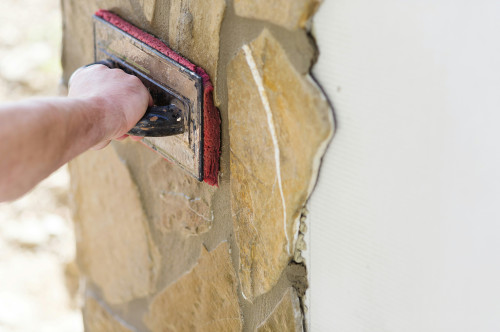
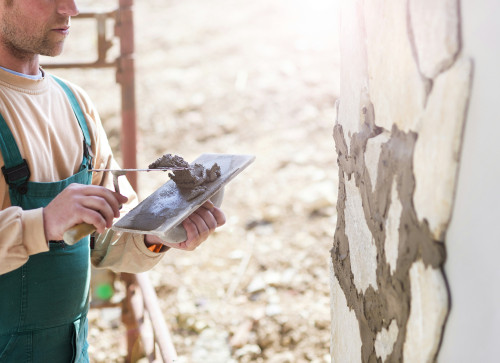
Once clean, check for cracks or loose areas. Small cracks can often be repaired with a suitable exterior filler or repair mortar. Larger damaged sections may need to be re‑rendered using a plinth‑appropriate mortar mix.
Læs også:
Ensure Proper Drainage Around the House
Good drainage is one of the most important factors in keeping your plinth sound. Check that the ground slopes away from the house so rainwater doesn’t pool against the wall. Keep gutters and downpipes clear, and make sure that drains and soakaways direct water away from the foundation.
If you have paving or gravel near the house, it should slope slightly away from the wall – around 2 cm per metre is ideal. This helps prevent water from seeping down and causing damp problems.
Repair and Protect the Surface
Once the plinth is dry and clean, protect it with a breathable masonry paint or render. Breathable coatings allow moisture from inside the wall to escape while keeping rainwater out. Avoid dense plastic‑based paints, as they can trap moisture and lead to blistering or frost damage.
Choose materials that suit your property’s age and construction. Older homes often benefit from lime‑based mortars and paints, which allow the structure to “breathe”, while newer buildings can usually handle cement‑based products.
Prevent Damage with Simple Habits
Small, consistent actions can greatly extend your plinth’s life:
- Remove snow and ice carefully in winter – avoid using rock salt, which can damage masonry.
- Keep plants and shrubs trimmed back to prevent moisture build‑up and root damage.
- Don’t stack firewood, bins, or heavy objects directly against the wall.
- After heavy rain or frost, check for new cracks or damp patches.
By making plinth care part of your regular home maintenance routine, you can save both time and money in the long run.
A Healthy Plinth Means a Healthy Home
The plinth may not be the most eye‑catching feature of your property, but its condition has a major impact on the building’s overall health. A well‑maintained plinth protects against damp, enhances your home’s appearance, and prolongs the life of the brickwork. With a little attention and a few simple maintenance steps, you can ensure your home stands strong for many years to come.
Læs også: