Drying and Curing – How to Achieve a Durable Floor

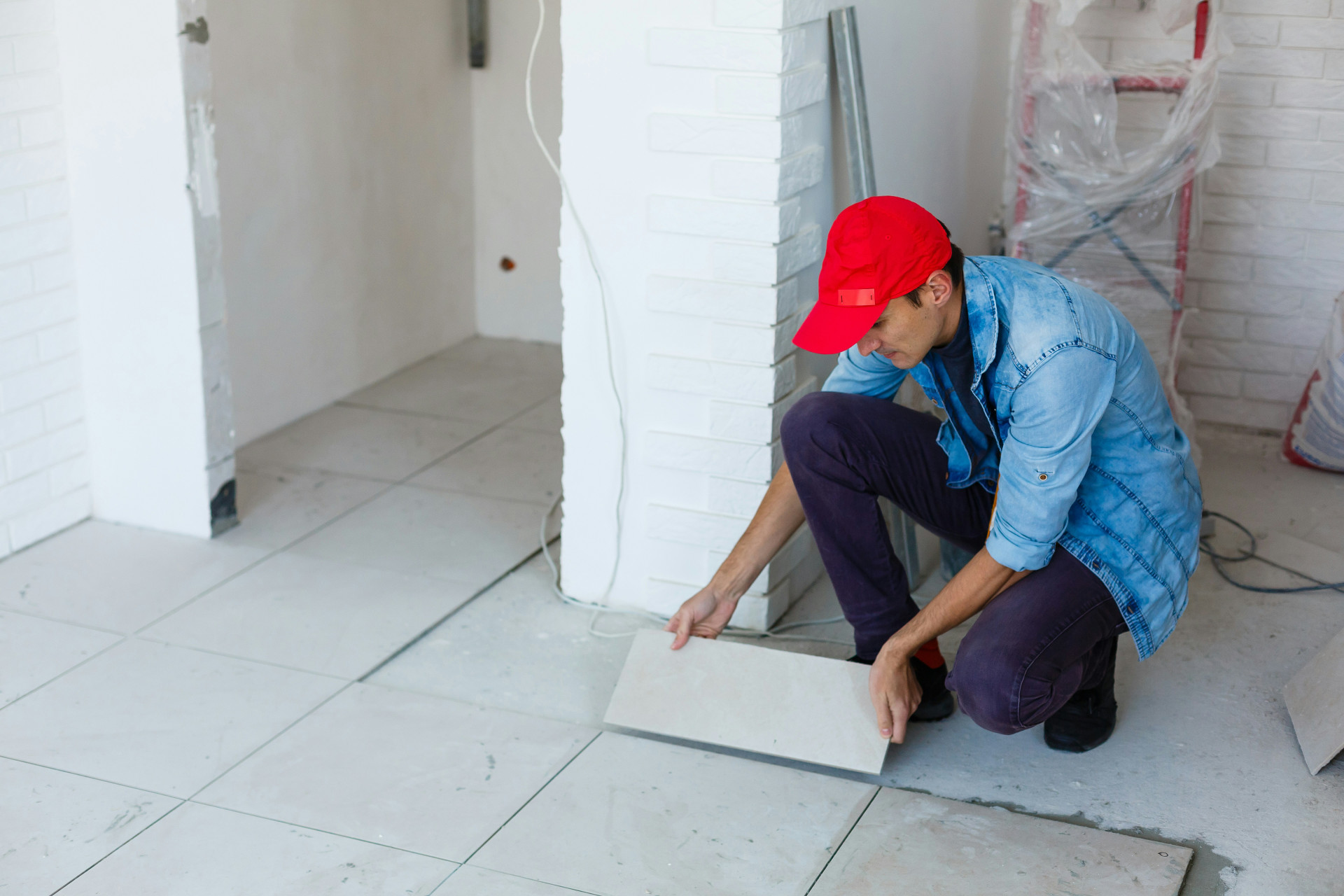
Master the key steps to ensure your floor gains strength, stability, and a flawless finish
Floor
Floor
6 min
The secret to a durable and beautiful floor lies in proper drying and curing. Learn how timing, temperature, and humidity affect different materials—from concrete and timber to epoxy coatings—and discover how to achieve a professional result that lasts.
Orson Anderson
Orson
Anderson

Drying and Curing – How to Achieve a Durable Floor

Master the key steps to ensure your floor gains strength, stability, and a flawless finish
Floor
Floor
6 min
The secret to a durable and beautiful floor lies in proper drying and curing. Learn how timing, temperature, and humidity affect different materials—from concrete and timber to epoxy coatings—and discover how to achieve a professional result that lasts.
Orson Anderson
Orson
Anderson

A beautiful and long-lasting floor is not just about the material you choose – it’s equally about how it dries and cures. Whether you’re working with concrete, epoxy, timber or vinyl, the drying and curing stages are crucial to the final result. Dry too quickly, and you risk cracks and unevenness; cure too slowly, and your project may be delayed. Here’s a guide to ensuring your floor develops the right strength and finish.

The Difference Between Drying and Curing

Although the terms are often used interchangeably, they refer to two distinct processes. Drying is the physical process where moisture or solvents evaporate from the material – for example, when water leaves a concrete mix. Curing, on the other hand, is a chemical process that gives the material its final strength and stability.

A floor may feel dry on the surface but still be curing deep within. This is particularly important for concrete and epoxy coatings, where internal curing can take weeks even if the surface appears ready.

Concrete – Patience Pays Off

Concrete is one of the most common flooring materials, but also one that demands patience. A general rule of thumb is that concrete needs about one week of drying per centimetre of thickness under normal conditions.

If it dries too quickly, cracks, flaking and shrinkage can occur; if the air is too humid, curing will slow down. Ensure good ventilation, but avoid draughts and direct sunlight, which can cause the surface to dry too fast.

Before applying any floor covering or paint, check the moisture content using a hygrometer. Most coverings require the concrete to have a relative humidity below 75% in the UK climate.

Timber Floors – Acclimatisation Is Key

Timber reacts to changes in temperature and humidity. That’s why it’s essential to let the wood acclimatise to the room before installation. Leave the boards in the room for at least 48 hours so they can adjust to the ambient conditions.

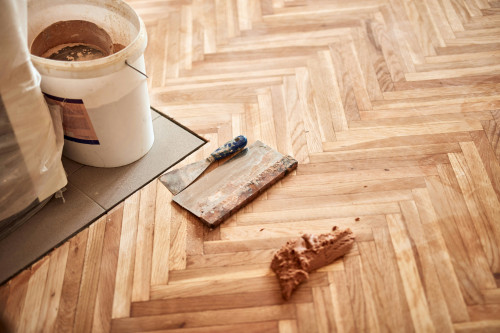
After installation, allow the floor to settle before applying oil, lacquer or varnish. Treating it too soon can trap moisture, leading to bubbles or discolouration.

Maintain a stable room temperature of 18–22°C and a relative humidity of 40–60%. These conditions help prevent warping and ensure a stable, durable timber floor.

Epoxy and Other Coatings – Precision in Temperature and Timing

Epoxy and polyurethane floors are popular in both commercial and residential settings for their durability and seamless finish. However, curing here is a chemical reaction that depends on temperature and mixing ratios.

If the temperature is too low, curing may stall and the surface remain tacky. If it’s too high, the material may cure too quickly, creating unevenness. Always follow the manufacturer’s instructions carefully – including mixing ratios, working time and curing time.

As a general guideline, the room should be between 15–25°C, and the floor should not be walked on for at least 48 hours after application.

Humidity and Ventilation – The Overlooked Factors

Many people underestimate the impact of humidity and ventilation on drying and curing. Excess humidity can slow the process, while overly dry air can cause cracking and distortion.

Use a dehumidifier in damp spaces if necessary, but avoid excessive air movement. Too much airflow can cause the surface to dry faster than the underlying layers, creating internal stress.

A balanced indoor climate is the best way to achieve a stable and even result.

When Is the Floor Ready for Use?

It’s tempting to use the floor as soon as it looks finished – but patience pays off. A floor that hasn’t fully cured can be damaged by early use, losing strength or sheen.

As a general guide:

  • Concrete: full strength after 28 days
  • Epoxy: walkable after 1–2 days, fully cured after 5–7 days
  • Timber with oil or lacquer: ready after 24–48 hours, depending on the product

Always check the manufacturer’s recommendations – they’re based on controlled testing and will give you the most reliable results.

A Durable Floor Begins with Patience

A strong, attractive floor requires more than quality materials – it requires time, control and an understanding of the process. By giving your floor the right conditions for drying and curing, you’ll avoid damage, unevenness and unnecessary repairs.

In short: the more care you take at the start, the longer your floor will last – and the better it will look.

New Life for Old Floors – How to Reuse and Recycle Them
Give your worn-out floors a second chance with creative reuse and sustainable choices
Floor
Floor
Flooring
Home Improvement
Sustainability
Interior Design
Recycling
3 min
Discover how to breathe new life into old floors through restoration, recycling, and smart maintenance. Learn practical ways to save resources, reduce waste, and create a home that’s both beautiful and environmentally responsible.
Elizabeth Chapman
Elizabeth
Chapman
Durability or Aesthetics? How to Choose the Right Flooring for Your Home
Find the perfect balance between beauty and practicality for every room in your home
Floor
Floor
Flooring
Interior Design
Home Improvement
Decoration
Materials
5 min
Choosing the right flooring is about more than just looks – it’s about finding a surface that suits your lifestyle, stands up to daily use, and complements your interior style. Discover the pros and cons of different flooring materials and get tips on how to make the best choice for your home.
Asher Ward
Asher
Ward
Cork Flooring: Effective Sound Insulation and a Calmer Indoor Environment
Discover how cork flooring enhances comfort, reduces noise, and brings natural warmth to your home
Floor
Floor
Cork Flooring
Interior Design
Home Improvement
Sustainable Living
Acoustic Comfort
7 min
Cork flooring is making a stylish return, offering a unique combination of sustainability, sound insulation, and comfort. Learn how this natural material can transform your living space into a quieter, healthier, and more relaxing environment.
Jasmine Price
Jasmine
Price
Laminate flooring as a link between kitchen and living room
Seamlessly connect your kitchen and living room with stylish, practical laminate flooring
Floor
Floor
Laminate Flooring
Interior Design
Open-Plan Living
Home Renovation
Flooring Ideas
6 min
Discover how laminate flooring can create a smooth transition between your kitchen and living room. Learn about its durability, easy maintenance, and design versatility that make it ideal for modern open-plan homes.
Nia Wood
Nia
Wood
Drying and Curing – How to Achieve a Durable Floor
Master the key steps to ensure your floor gains strength, stability, and a flawless finish
Floor
Floor
Flooring
Construction
Home Improvement
Building Materials
Interior Design
6 min
The secret to a durable and beautiful floor lies in proper drying and curing. Learn how timing, temperature, and humidity affect different materials—from concrete and timber to epoxy coatings—and discover how to achieve a professional result that lasts.
Orson Anderson
Orson
Anderson
Bathroom lamps – inspiration for lighting and decor
Create atmosphere and function with the right lighting in the bathroom
Furniture
Furniture
Bathroom lamps
Lighting
Decor
Wet room
Inspiration
4 min
Get inspiration for bathroom lighting that combines function and atmosphere. The article guides you through the choice of lamps, safety, design and brightness, so you can create a bathroom that is both practical and inviting.
Elizabeth Chapman
Elizabeth
Chapman
Outdoor lamps that highlight the house’s architecture
Create atmosphere and character around your home with the right lighting
Furniture
Furniture
Outdoor lamps
Lighting
Architecture
Home decor
Garden inspiration
2 min
Outdoor lamps can both highlight the house’s architecture and create a sense of security around the home. Get inspiration for choosing designs, functions and types of lamps that suit your home and outdoor area.
Asher Ward
Asher
Ward
Various wine coolers in elegant design
Store your wines optimally and in style
Furniture
Furniture
wine cooler
wine storage
home bar
kitchen equipment
wine lover
6 min
A wine cooler combines functionality and design so that your wines are stored optimally and stylishly. Read about the most important considerations, types and brands before choosing the wine cooler that best suits your home.
Jasmine Price
Jasmine
Price