See the Potential: How to Assess Your Home’s Future Prospects

See the Potential: How to Assess Your Home’s Future Prospects
When you look at your home, you might first notice what’s there right now – the rooms, the garden, the location. But behind what you can see lies a world of potential. Perhaps the property could be extended, made more energy efficient, or redesigned to suit your lifestyle better. Assessing your home’s future prospects is about looking beyond the present and thinking about how it could evolve. Here’s a guide to help you get started.
Understand Your Home’s Starting Point
Before you can plan improvements, you need to understand your home’s current condition and the limits you’re working within – both physical and legal.
- Structural condition: Consider commissioning a surveyor to assess the property. This will highlight maintenance needs and reveal where improvements could add value.
- Planning restrictions: Check your local council’s planning policies and any conservation area or listed building constraints. These can affect what changes you’re allowed to make.
- Energy performance: Review your Energy Performance Certificate (EPC) to see where your home is losing energy and where upgrades could make the biggest difference.
Once you know your starting point, it becomes much easier to identify where the real potential lies.
Think About Function and Future Needs
A home should adapt as your life changes. You might have young children now, but in ten years your needs could be very different. Consider how your home could evolve with you.
- Could a child’s bedroom later become a home office or guest room?
- Is there scope to create a self-contained space for a teenager or an elderly relative?
- Could you reconfigure the ground floor to make it accessible if stairs become a challenge in the future?
Building flexibility into your home makes it more practical for you and more appealing to future buyers.
Make Better Use of Space
Unlocking potential isn’t always about adding square footage – it’s often about using what you already have more effectively.
- Loft and basement: Could these be converted into living space? A well-insulated loft can become a bedroom or study, while a dry basement could serve as a utility or hobby room.
- Layout: Small changes, such as removing a wall or widening a doorway, can transform how light and space flow through your home.
- Outdoor areas: A patio, garden room, or covered seating area can extend your living space and make your home feel larger.
Even modest adjustments can make a big difference to how your home feels and functions.
Læs også:

Energy Efficiency as an Investment
Improving your home’s energy performance benefits both the environment and your wallet. Energy-efficient upgrades can reduce running costs and increase property value.
- Replacing old windows and doors can significantly cut heat loss.
- Adding insulation to the loft, walls, or floors improves comfort and lowers bills.
- Installing a heat pump or solar panels can make your home more self-sufficient and future-proof against rising energy prices.
You may be eligible for government grants or local authority schemes that help fund energy improvements, so it’s worth exploring your options.
Consider the Location – and Its Future
Your home’s potential isn’t just about the building itself; it’s also about what’s happening around it. Research how your area is expected to develop.
- Are there plans for new transport links, schools, or green spaces that could boost the area’s appeal?
- How have property prices in your neighbourhood changed over time?
- Are there demographic trends – such as more families or downsizers moving in – that could influence demand?
Understanding the direction your area is heading in can help you decide whether major improvements are a wise investment.
Seek Professional Advice
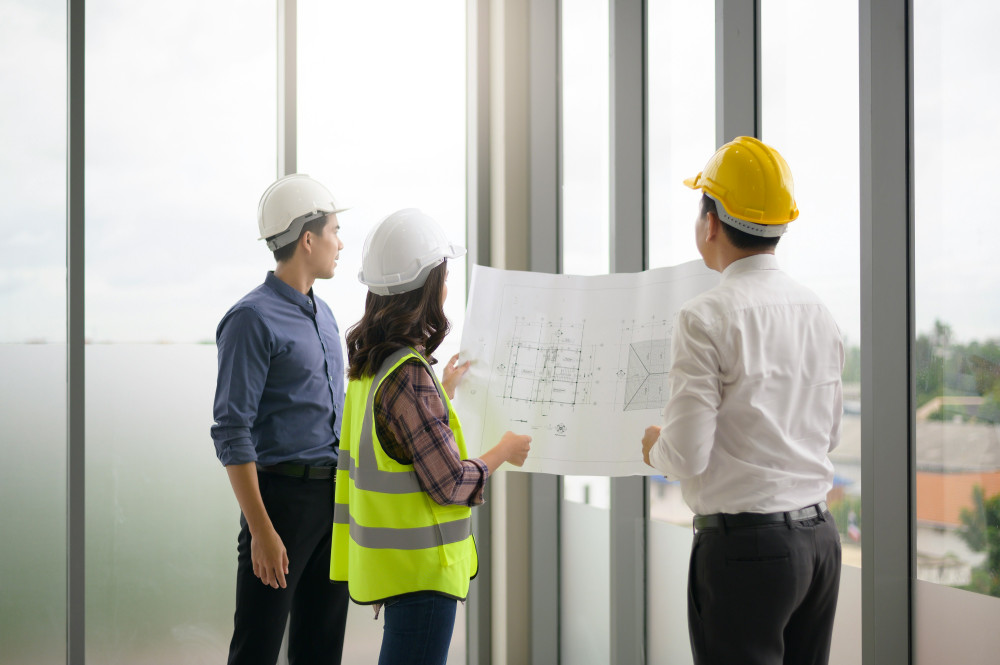
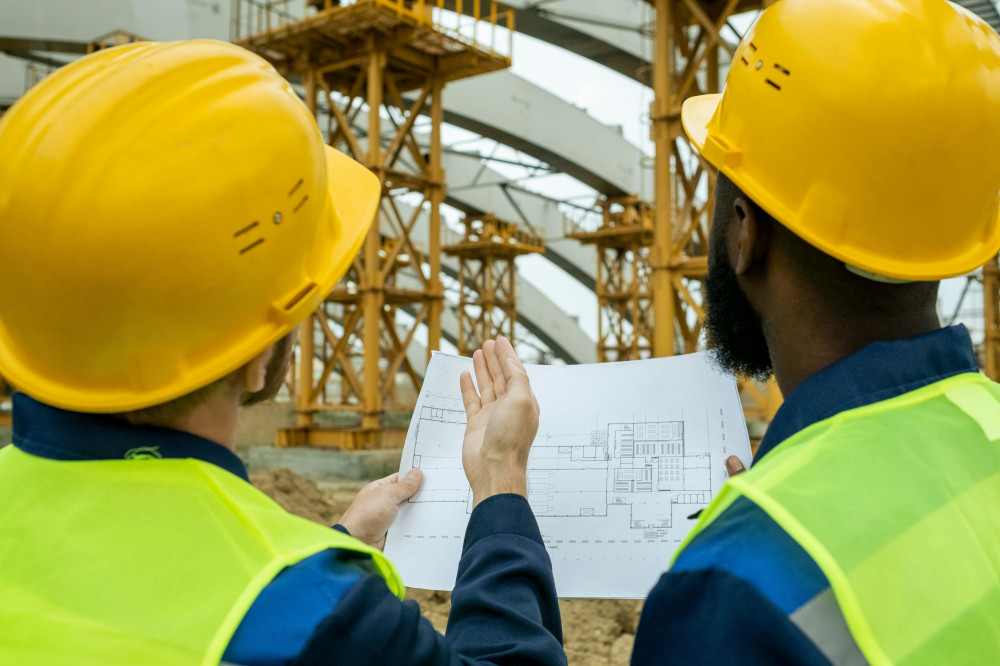
While you can do a lot of research yourself, professional guidance can save time and money in the long run. An architect, surveyor, or estate agent can provide realistic insights into what’s possible and what’s worthwhile.
An architect can help you reimagine your layout or design an extension that complements your home’s character, while an estate agent can estimate how proposed changes might affect market value. Together, they can help you make informed decisions.
See the Potential – and Plan in Stages
Realising your home’s potential doesn’t have to happen all at once. Create a phased plan, prioritising the projects that will deliver the greatest benefit first. Think long-term, so each improvement fits into a coherent vision for your home.
By developing your property step by step, you can enhance both its comfort and its value – turning your current house into a home that grows with you and stands the test of time.
Læs også: