Rainwater Harvesting – How to Reduce Your Mains Water Use

Rainwater Harvesting – How to Reduce Your Mains Water Use
Rainwater is a free and abundant resource that often goes to waste. In the UK, we receive an average of around 1,100 millimetres of rainfall each year – more than enough to make a difference to your household water use. By collecting and reusing rainwater, you can cut your mains water consumption, save money, and help the environment. Here’s how to get started.
Why Harvest Rainwater?
Every drop of mains water has been treated, pumped, and delivered at a cost – both financial and environmental. Yet we use it for tasks that don’t require drinking-quality water, such as watering the garden, washing the car, or flushing the toilet. By substituting rainwater for these uses, you can reduce your mains water demand by up to 30–40%.
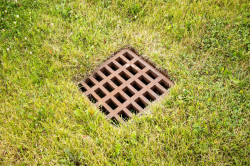
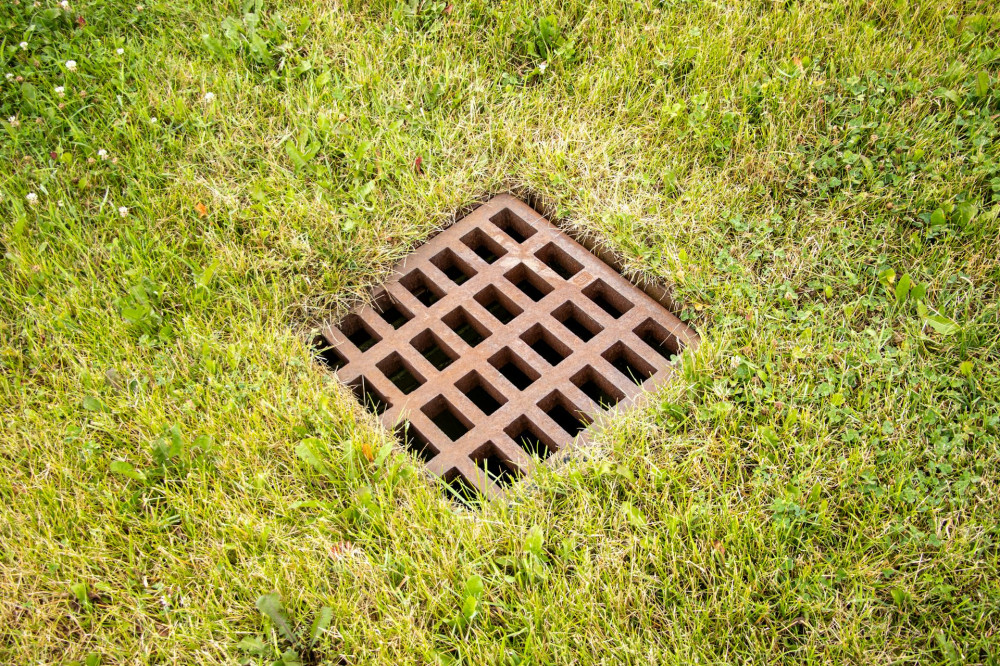
Rainwater harvesting also helps to manage stormwater. Instead of rushing into drains and overwhelming sewers during heavy downpours, collected rainwater is stored for later use, reducing the risk of local flooding and easing pressure on drainage systems.
How a Rainwater Harvesting System Works
A rainwater harvesting system collects water from your roof via gutters and downpipes. The water passes through a filter to remove leaves and debris before entering a storage tank, which can be installed above or below ground. From there, it can be pumped to where it’s needed.
There are two main types of systems:
- Simple garden systems – a water butt or small tank connected to a downpipe, ideal for watering plants or cleaning outdoor areas.
- Domestic systems – a more advanced setup that supplies rainwater to toilets, washing machines, and outdoor taps through a pump and filtration system.
If you plan to use rainwater inside your home, the system must be installed by a qualified professional and kept completely separate from the mains supply to prevent contamination.
Læs også:
What Can You Use Rainwater For?
Rainwater isn’t suitable for drinking, cooking, or personal hygiene, but it’s perfect for many everyday tasks:
- Garden watering – plants often prefer rainwater because it’s soft and free from chlorine and limescale.
- Car washing – rainwater leaves fewer streaks and spots than hard tap water.
- Toilet flushing – one of the biggest water uses in the home can be supplied entirely by rainwater.
- Laundry – with the right system, rainwater can be used in washing machines, helping to reduce detergent use and limescale build-up.
Getting Started
- Check your roof and gutters – Roofs made of slate, tiles, or concrete are ideal. Avoid collecting water from roofs with lead flashing or copper surfaces.
- Choose the right tank – For garden use, a 200–500 litre water butt is often enough. For household systems, tanks typically range from 2,000 to 5,000 litres.
- Install filters and an overflow – Filters keep debris out, and an overflow ensures excess water is safely diverted during heavy rain.
- Decide on placement – An underground tank keeps water cool and algae-free, while an above-ground tank is cheaper and easier to install.
- Maintain your system – Clean filters regularly and empty the tank once a year to remove sediment and ensure good water quality.
Costs and Environmental Benefits
A basic water butt can cost as little as £50, while a full domestic rainwater harvesting system, including installation, may range from £2,000 to £5,000. The savings on your water bill will depend on your household size and usage, but the environmental benefits are immediate.
By using rainwater, you reduce demand on treated mains water and help conserve the UK’s groundwater and reservoir supplies. You also play a part in reducing surface water runoff, which can contribute to flooding in urban areas.
Make It Part of Your Sustainable Lifestyle
Rainwater harvesting is a practical and rewarding way to live more sustainably. It requires some initial effort and maintenance, but the long-term benefits – for your wallet and the planet – are well worth it. Start small with a simple water butt, and expand your system as your confidence grows.
Once you experience how easy it is to make use of nature’s own water, you’ll wonder why you didn’t start sooner – and you’ll be taking a meaningful step towards a more resource-conscious home.
Læs også: