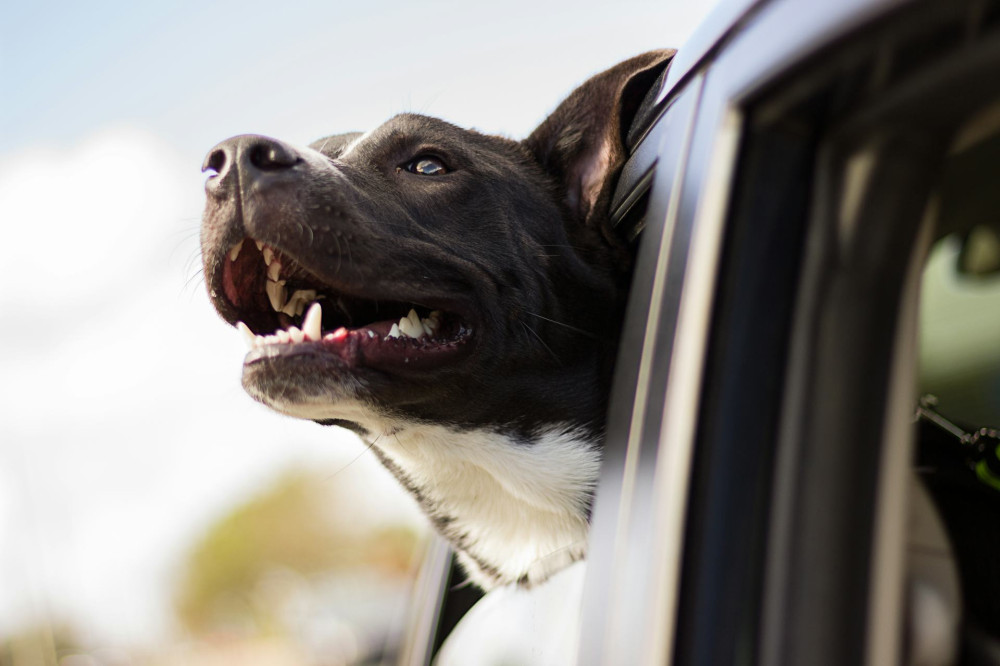
Comfortable transport for your pet – here’s how

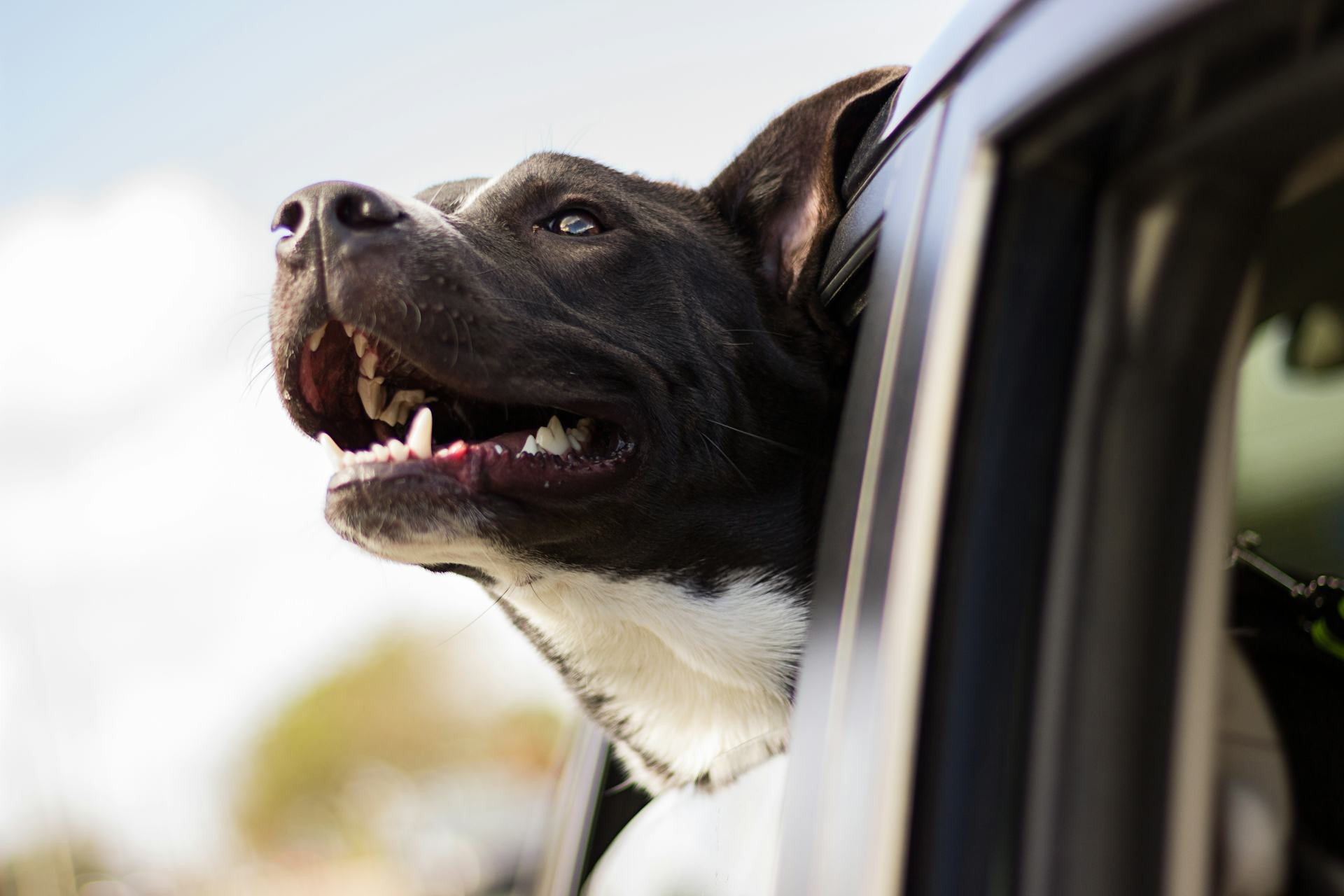
Comfortable transport for your pet – here’s how
Taking your pet on a journey – whether it’s a trip to the vet, a weekend away, or a family holiday – requires planning and care. Animals react differently to travel, and their comfort and safety depend on how well you prepare. With the right approach, you can make the experience calm and pleasant for both you and your pet. Here’s a guide to help you ensure a smooth journey, whether you’re travelling with a cat, dog, or smaller pet.
Preparation is key
Before you set off, take time to get your pet used to the idea of travelling. Unfamiliar sounds, smells, and movements can be stressful, especially for animals that rarely leave home.
- Train gradually – let your pet explore the carrier or car in short sessions. Reward calm behaviour with treats and praise.
- Make the carrier cosy – place a soft blanket or an item of your clothing inside so your pet feels safe.
- Plan your route – avoid unnecessary stops and long waits, particularly if your pet gets anxious easily.
The more familiar and predictable the experience feels, the more relaxed your pet will be.
Travelling by car – safety and comfort
The car is the most common way to transport pets in the UK, but it’s also where many accidents happen. A loose animal can distract the driver or get injured in sudden stops.
- Use approved restraints – small pets should travel in a secure carrier, while larger dogs should be fitted with a seat belt harness or travel crate. This keeps everyone safe in case of an emergency stop.
- Keep the temperature comfortable – pets can overheat quickly. Ensure good ventilation and never leave your pet alone in a parked car, even for a short time.
- Plan regular breaks – on longer journeys, stop so dogs can stretch their legs and have water. Cats and small animals should stay in the car, but you can offer them a small drink inside their carrier.
A calm environment – no loud music or sudden movements – helps your pet stay relaxed throughout the trip.
Public transport and air travel
If you’re travelling by train, bus, or plane, check the rules in advance, as they vary between operators.
- Trains and buses – in the UK, small pets in carriers usually travel free, while larger dogs may need a ticket. Dogs must be on a lead and may be required to wear a muzzle on some services.
- Flying – contact the airline well ahead of time. Some allow small pets in the cabin, while others require them to travel in the hold. Make sure the carrier meets airline standards and that your pet has access to water.
- Calming options – if your pet becomes very anxious, speak to your vet. They can advise on safe ways to reduce stress, but medication should only be used under professional guidance.
Whatever the mode of transport, your pet’s welfare should always come first.
Læs også:


Different pets, different needs
Each type of animal has its own requirements, so tailor your approach accordingly.
- Cats prefer enclosed carriers where they can hide. Covering the carrier with a light blanket can help them feel secure.
- Dogs need space and air but must still be restrained. Make sure they can’t jump out when doors open.
- Small animals such as rabbits, guinea pigs, and birds are sensitive to draughts and temperature changes. Keep their cage stable and out of direct sunlight.
- Reptiles and fish require special conditions, such as heat sources or oxygenation, so plan carefully if you need to move them.
Understanding your pet’s temperament and needs will make the journey much smoother.
After the journey – calm and familiarity
Once you arrive, your pet may be tired or unsettled. Give them time to adjust in a quiet space. Provide water, food, and something that smells like home. Avoid overwhelming them with new experiences straight away, especially after a long trip.
If you travel regularly, your pet will gradually become more comfortable with the process. Patience and positive experiences are key to building confidence.
A safe and pleasant journey for both of you
Comfortable transport isn’t just about equipment – it’s about understanding your pet’s needs. With preparation, calmness, and the right setup, even a long journey can be a positive experience. The most important thing is that your pet feels safe and secure – that’s what makes travel enjoyable for you both.
Læs også: